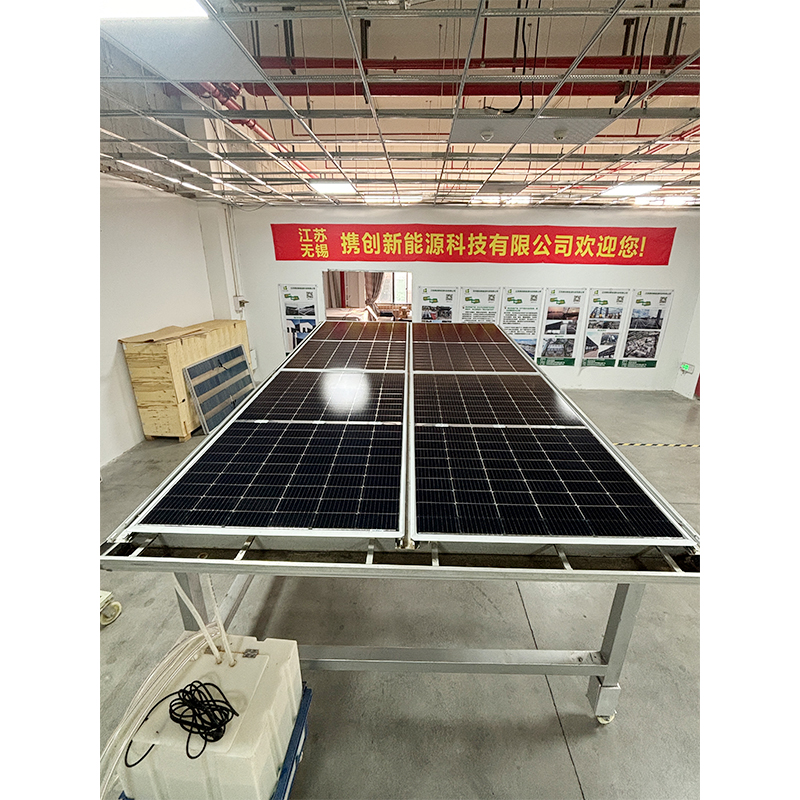
How can BIPV systems become the "golden combination" of high-efficiency power generation and architectural aesthetics, creating zero-carbon buildings?
Publish Time: 2025-12-11
Driven by the "dual carbon" goals, buildings are no longer just energy consumers, but have been given a new role as energy producers. BIPV (Building-Integrated Photovoltaics) systems are the core carrier of this transformation. They deeply integrate photovoltaic power generation into the building envelope, not only achieving on-site consumption of clean energy but also reshaping the building's appearance through integrated design. With its characteristics of "glue-free installation, fully dry sealing, and high reliability," BIPV systems are becoming an ideal alternative to traditional corrugated steel roofing tiles and roofing sheets in residential, industrial, and commercial factory roofs and carports.1. Structure as Waterproofing: Dry Assembly Achieves Reliable "Zero-Glue" SealingThis BIPV system abandons the traditional wet construction methods that rely on silicone glue or sealant, adopting a fully mechanical dry connection structure, fundamentally avoiding the risk of leakage caused by glue aging and cracking. Its core lies in a precisely designed custom-designed cross-section frame system:Up-down direction: The upper photovoltaic module's cover frame precisely covers the lower module's base frame, forming an overlapping structure similar to "overlapping tiles." Rainwater flows down the slope, effectively blocking vertical seepage paths.Left-right direction: The side fixing frames are directly installed on the integrated drainage channel. The modules are locked into the drainage channel by special pressure blocks, ensuring structural stability and creating lateral water-guiding channels.Gap protection: Additional waterproof cover strips are installed on the left and right gaps between modules to achieve secondary sealing, ensuring the roof remains leak-proof even in the event of heavy rain or strong winds.The entire installation process requires no on-site caulking or waiting for curing, significantly shortening the construction period while improving long-term weather resistance and maintenance convenience.2. Double-glass module empowerment: High durability, high power generation, and high aestheticsThe system uses double-sided glass-encapsulated photovoltaic modules. The front is high-transmittance tempered glass, and the back is a glass substrate of equal strength, replacing the traditional backsheet. This design offers three key advantages:Extended Lifespan: Eliminates the aging issues associated with organic backsheets, exhibits excellent resistance to PID (potential-induced degradation), and boasts a system lifespan exceeding 30 years;Power Generation Gain: In scenarios such as light-colored roofs or carports, the backsheet absorbs reflected ground light, achieving an additional 5%–25% in power generation;Aesthetic Upgrade: The smooth, glossy glass surface allows for customized colors and light transmittance, resulting in a more modern and unified visual effect, perfectly meeting the facade quality requirements of high-end residential and commercial buildings.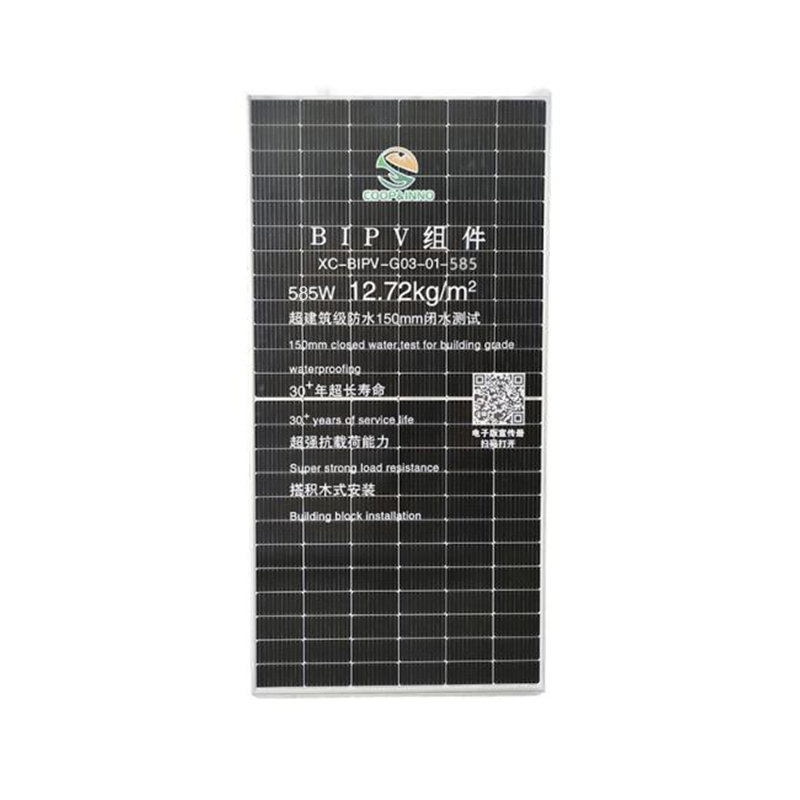
3. Material Substitution: From "Additional Equipment" to "Building Core"This BIPV system does not simply "add" photovoltaic panels to an existing roof; instead, it directly replaces traditional roofing materials—such as corrugated steel sheets, cement tiles, and asphalt shingles—becoming a structural component of the building's roof. This means:Saving on the procurement and construction costs of traditional roofing materials;Reducing the load and complex details associated with multi-layered structures;Achieving "one-time construction, dual function"—providing shelter from wind and rain while also generating its own power.Especially suitable for newly built industrial plants, logistics warehouses, electric vehicle charging sheds, and pitched-roof residences, truly realizing "photovoltaics as building materials."4. Wide range of applications, supporting multi-dimensional zero-carbon transformationIndustrial plants: Large-area flat/pitched roofs, rapid deployment, reducing enterprise electricity costs;Commercial buildings: Balancing aesthetics and profitability, enhancing ESG image;Residential roofs: Customized colors and outlines, blending into the community landscape, with self-sufficient green electricity for households;Photovoltaic carports: High-strength, impact-resistant double-glass modules, providing shade and rain protection for vehicles while generating electricity and revenue.The BIPV system, with "double-glass modules + dry waterproof frame" at its core, integrates high-efficiency power generation, reliable waterproofing, architectural aesthetics, and building material functionality. It is not only an integration of technologies but also a revolution in architectural thinking—transforming roofs from passive shading to active protection.