BIPV Systems Empower Buildings with Technology, Creating a Smart "Outer Garment" That Generates Electricity
Publish Time: 2025-12-01
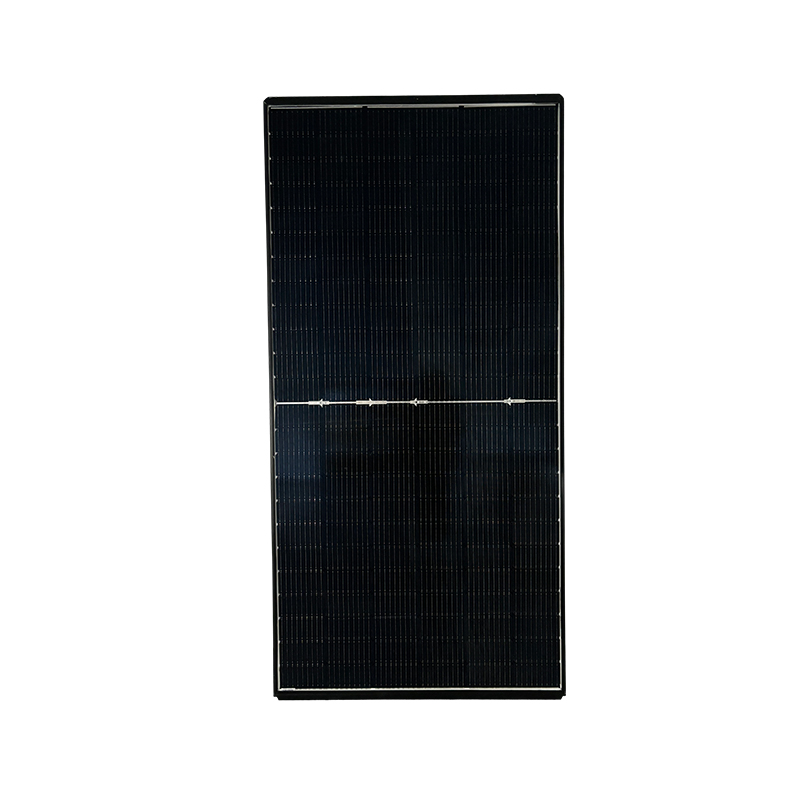
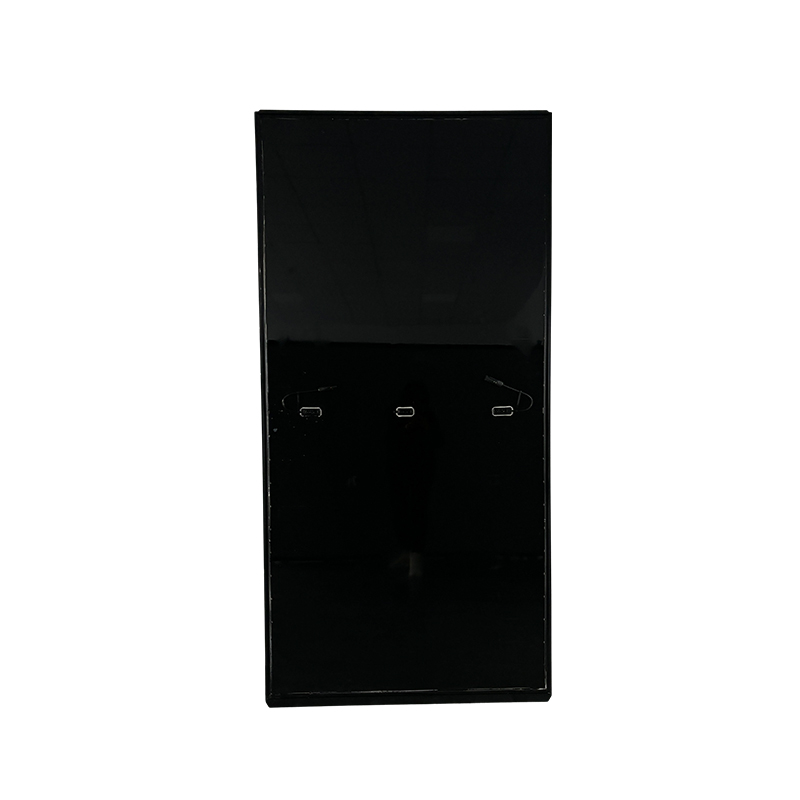
Against the backdrop of the global energy structure's accelerated transition to a green and low-carbon model, the construction industry is undergoing a profound energy revolution. As a paradigm of deep integration between buildings and new energy technologies, Building Integrated Photovoltaics (BIPV) is moving from concept to large-scale application. BIPV systems not only seamlessly embed solar power generation into the building itself, but also redefine the "roof" of modern buildings with innovative structural design, superior waterproofing, and integrated aesthetics—it is no longer just a covering for wind and rain, but a smart "outer garment" that generates electricity, saves energy, and combines functionality and beauty.I. BIPV: A Paradigm Leap from "Add-on" to "Integration"Traditional rooftop photovoltaic systems (BAPV) typically involve adding photovoltaic panels to the roof of an existing building, a "post-installation" approach that suffers from structural redundancy, poor aesthetics, and waterproofing issues. BIPV fundamentally changes this logic: photovoltaic modules themselves are building materials, directly replacing traditional roofing materials such as corrugated steel sheets, cement tiles, and asphalt roofing membranes, becoming part of the building envelope.This "functional integration" design concept gives BIPV significant advantages in new construction or roof renovation: reduced building material usage, shorter construction cycles, improved building integrity, and the ability for buildings to actively generate energy. A factory or residence using a BIPV system is not only an energy-consuming unit but also a micro-power station, truly realizing "building energy productivity."II. Structural Innovation: Double-Glass Modules and Customized Frames Construct a Reliable Waterproof SystemThe reliability of a BIPV system lies in its unique structural design and installation process. Currently, mainstream BIPV products generally use double-glass photovoltaic modules—that is, solar cells sandwiched between two layers of tempered glass. Compared to traditional backsheet modules, double-glass structures have higher mechanical strength, longer service life, stronger UV resistance and corrosion resistance, and no risk of backsheet aging, making them particularly suitable for rooftop environments exposed to the outdoors for extended periods.More crucially, its customized frame system is the core of achieving "zero leakage" waterproofing in BIPV. This system consists of four parts:Left and right fixed frames: Utilizing customized aluminum profiles, they are directly installed above the roof drainage channels, forming lateral support and positioning benchmarks;Upper bottom frame (lower frame): Serving as the support structure for the lower edge of the modules;Lower cover frame (upper frame): Located at the upper edge of the modules, designed as an "overlapping" covering structure;Waterproof pressure blocks and secondary sealing caps: Used to lock the modules and seal gaps.During installation, the cover frame of the upper photovoltaic module naturally covers the bottom frame of the lower module, forming an overlapping structure similar to "tile overlap." Rainwater flowing down the slope is effectively blocked outside the overlap joints, preventing it from seeping into the interior. This dual mechanism of "water guiding + shielding" constitutes a reliable vertical waterproofing system.In the left and right directions, the modules are securely locked to the fixed frames on the drainage channels by special pressure blocks, which themselves serve both mechanical fixing and sealing functions. Meanwhile, additional waterproof strips are installed at the longitudinal gaps between components, forming a second line of defense. The entire system eliminates the need for on-site application of adhesives, sealants, or waterproof membranes, completely avoiding the leakage risks caused by uneven manual operation and aging and cracking of adhesives in traditional construction.III. Wide Range of Applications: From Industrial Plant Roofs to Smart CarportsThanks to its high strength, high reliability, and integrated design, the BIPV system is suitable for various building scenarios:1. Industrial and Commercial Plant RoofsLarge-span, low-slope corrugated steel roofs are ideal for BIPV. Traditional corrugated steel roofs have a lifespan of only 10-15 years, are prone to corrosion, and have poor insulation; while a BIPV system can serve for 30 years after a single installation, combining power generation, heat insulation, and waterproofing functions. It is estimated that a 10,000-square-meter BIPV plant roof can generate over 1.2 million kilowatt-hours of electricity annually, equivalent to a carbon reduction of approximately 960 tons per year, demonstrating significant economic and environmental benefits.2. Residential Pitched RoofsIn high-end residential or new rural construction, BIPV can be customized with exteriors resembling terracotta tiles or metal roofs, seamlessly integrating into the architectural style. Residents not only gain access to clean electricity but also enjoy better insulation, reducing the load on air conditioning in summer.3. Photovoltaic Carports and Public FacilitiesIn scenarios such as parking lots, bus stops, and school playground roofs, BIPV achieves "space reuse"—power generation above, parking or activity below. Its structural strength is sufficient to withstand wind and snow loads, and its aesthetic appeal enhances the city's image.IV. Technological Advantages: Safe, Efficient, and Maintenance-FreeIn addition to its waterproof performance, the BIPV system boasts several outstanding advantages:High Fire Resistance: The double-glass modules have no organic backsheet, achieving Class A fire resistance and meeting stringent building codes;Strong Self-Cleaning Ability: The smooth glass surface allows rainwater to wash away dust, maintaining high power generation efficiency;Low Hot Spot Risk: The double-glass structure provides uniform heat dissipation, and combined with optimized electrical design, significantly reduces the hot spot effect;Low Life Cycle Cost: Although the initial investment is slightly higher than the traditional roof + BAPV combination, it saves on building materials, waterproofing layers, maintenance, and other costs, resulting in a more competitive IRR (Internal Rate of Return).The BIPV system is not only an upgrade in photovoltaic technology but also a revolution in building philosophy. It gives cold steel and concrete the ability to "photosynthesize," turning every inch of the roof into a source of green energy. Through the ingenious combination of double-glazed components, customized frames, and glue-free waterproof structures, BIPV leverages technology to give buildings a smart "coat" that generates electricity, eliminates leakage, and boasts a high aesthetic appeal—this is not only an energy transformation but also a new expression of harmonious coexistence between humanity and nature. In the grand narrative of carbon neutrality, BIPV is quietly reshaping the sky above us and the homes beneath our feet.